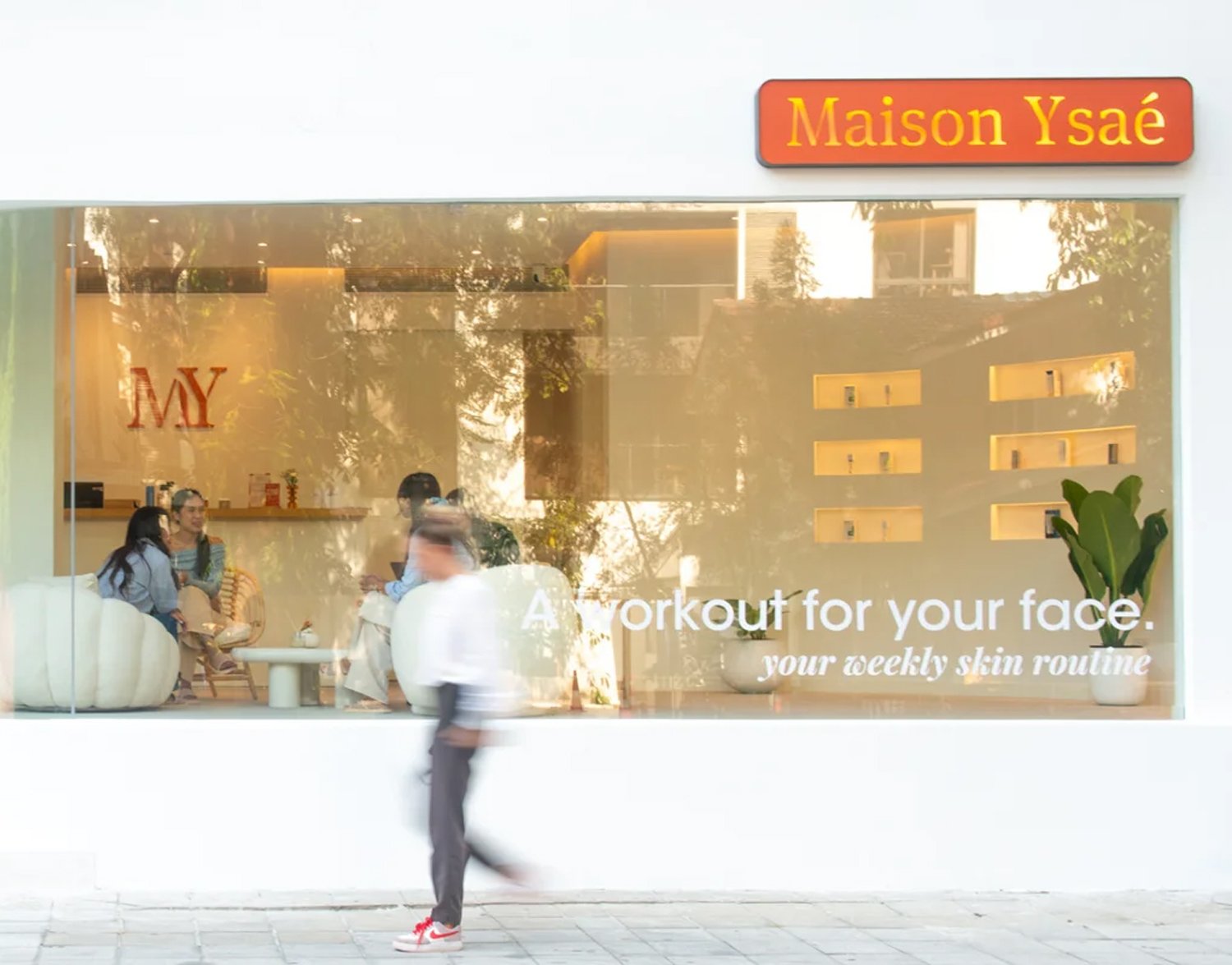
Jaw tightness doesn’t always show up as “jaw pain.” For many people, it’s clenching at night, pressure at the temples, facial fatigue by mid-day, or tension that travels into the neck. TMJ massage is a targeted manual approach that focuses on the muscles around the temporomandibular joint (TMJ) and the tension patterns that commonly surround it – jawline, cheeks, temples, scalp, and upper neck.
If you’re searching for TMJ massage in Bangkok, this page explains who it’s for, what happens in a session, what results to expect, and how TMJ massage compares to options like Buccal massage in Bangkok and Face lifting without surgery.
What is a TMJ Massage?
TMJ massage is a focused treatment designed to release overactive jaw and temple muscles (often linked to clenching and stress) and reduce tension around the jaw hinge.
It’s commonly chosen for jaw tightness, temple pressure, and facial tension patterns that can extend into the neck.
Quick symptoms check: is TMJ massage right for you?
You may be a fit for TMJ-focused work if you regularly experience:
- Jaw clenching or teeth grinding (especially at night)
- Tightness/soreness along the jawline or near the ears
- Temple pressure or “band-like” tension around the head
- A tired, heavy face by late afternoon
- Jaw tightness when chewing or opening the mouth (without acute injury)
- Neck tension that feels connected to jaw/face tightness
If you have sharp pain, swelling, recent trauma, or sudden bite changes, it’s safer to get medical/dental clearance first.
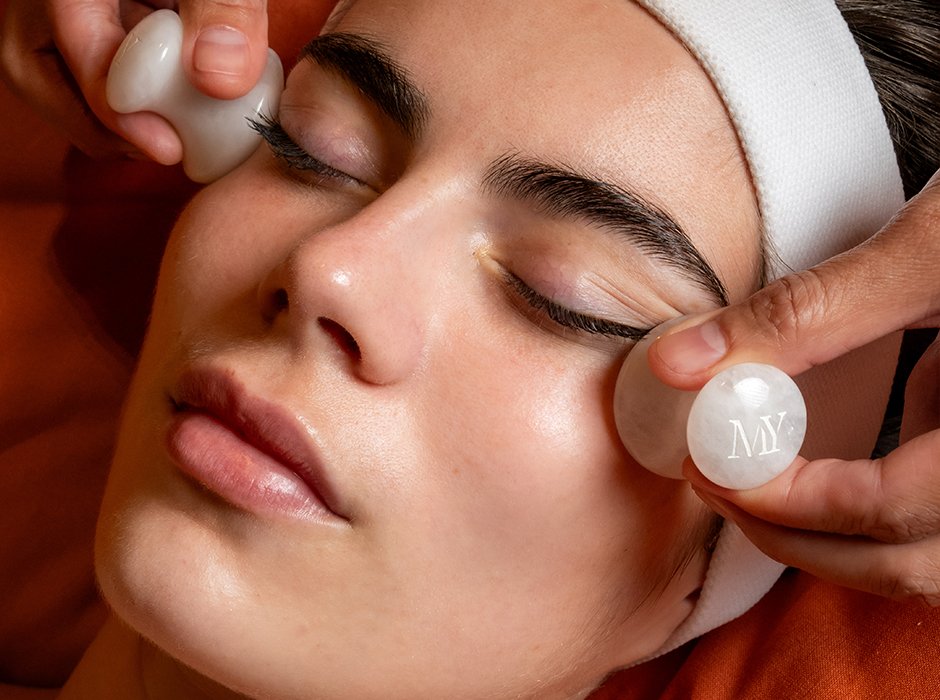
What happens in a TMJ session?
1) Assessment + tension mapping
Your therapist will typically check where you hold tension (jaw/temples/neck), whether clenching is frequent, and if one side is overworking.
A brief movement check (open/close/side glide) may be used to understand restrictions.
2) Targeted release: jaw + temples + neck
TMJ tension is usually a pattern, so work often includes:
- Jawline and chewing muscles
- Temples (often linked to clenching)
- Upper neck and suboccipital area (common compensation zone)
3) Rebalancing + decompression
Many people clench asymmetrically. The goal is to reduce overactivity and restore a calmer baseline—without overloading sensitive tissue.
4) Aftercare
You’ll usually get simple guidance like jaw relaxation cues, what to avoid (e.g., hard chewing if irritated), and basic self-maintenance points.
TMJ vs Buccal vs Face Lifting: which should you choose?
TMJ Massage
Best for: clenching, jaw fatigue, temple tension, neck-to-jaw tightness patterns.
Primary goal: functional relief + down-regulating overactive muscles.
Buccal Massage (intra-oral)
Best for: deeper cheek/jaw tension that’s hard to access externally; people who hold stress in the face.
Primary goal: deeper release inside the mouth + facial tension reset.
Face Lifting / Sculpting Massage
Best for: visible lift/definition, puffiness reduction, circulation/toning support.
Primary goal: aesthetic results first; functional relief can be secondary.
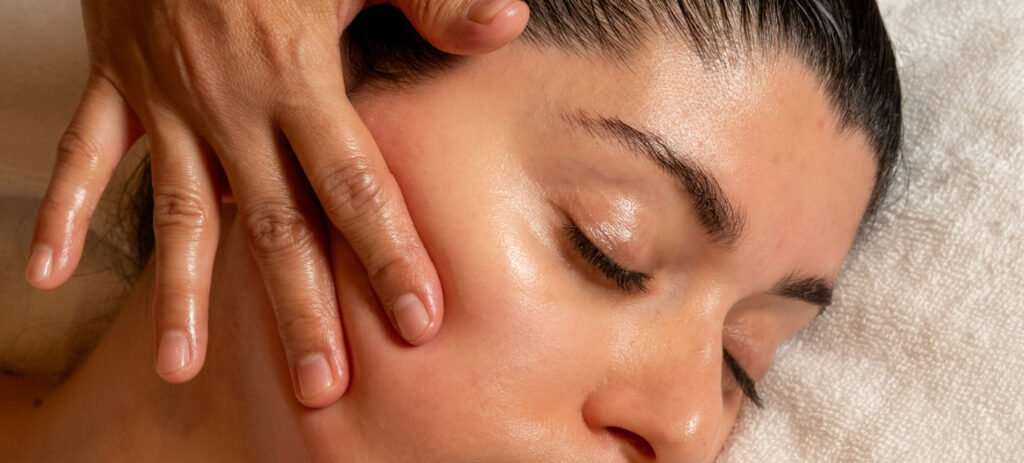
Expected results + timeline
What you may notice immediately (same day)
- Jaw feels lighter or less “locked”
- Less temple pressure
- Neck feels less tight if it was part of the pattern
- Face feels more relaxed; less tension “bulk”
What typically improves over time (2–6 sessions)
- Lower frequency/intensity of clenching episodes
- More stable jaw comfort during the day
- Reduced tension-driven headaches for some clients (varies by cause)
- A more balanced facial appearance as overworked muscles calm down
About “facial slimming”: Some people notice a subtler jawline when an overactive masseter relaxes- but results vary, and it’s not instant reshaping.
Cautions/Contraindications
Avoid TMJ-focused manual work or request a modified session if you have:
- Recent dental work (extractions, implants, braces adjustments)
- Acute inflammation (sharp pain, swelling, heat in the area)
- Suspected infection/fever
- Recent facial/jaw trauma
- Severe jaw locking or sudden bite changes
When in doubt, start conservatively (external work only, gentle intensity).
FAQ
Is it painful?
It shouldn’t be sharply painful. You may feel tender “release points,” but pressure should be controlled and adjustable.
Does it help headaches?
It may help tension-type headaches and temple pressure related to clenching and facial muscle overuse. If headaches are severe/sudden or include neurological symptoms, seek medical evaluation.
How many sessions do I need?
Some feel improvement after 1 session, but sustained change often takes 2–6 sessions, depending on clenching habits, stress load, and posture.
Can it slim the face?
It can reduce the appearance of tight, overworked jaw muscles for some clients—more “de-tensioning” than a guaranteed cosmetic change. If aesthetic lift/definition is your main goal, consider Face lifting without surgery or the broader Facial massages menu.
Book your TMJ massage at Maison Ysaé if you’re dealing with jaw tightness, clenching, or temple pressure – and want relief with possible facial sculpting side benefits. Contact us to choose the right treatment.