“Japanese facial massage” is often used as an umbrella term for hands-on facial techniques that aim to improve lift, firmness, circulation, and tension release – with many people also wanting a visible “fresh” look (less puffiness, smoother contours) without needles or machines.
This guide compares Kobido vs Gua Sha vs Buccal so you can choose the best option based on your goal – then book the right treatment at Maison Ysaé.
Kobido vs Gua Sha vs Buccal (quick comparison)
| Technique | Best for | What it targets | What you’ll notice fastest |
| Kobido | Lift + firmness | Facial muscles + circulation + tone | “Lifted” look + energized glow |
| Gua Sha | De-puff + soften tension | Lymphatic flow + superficial tightness | Less puffiness + lighter face feel |
| Buccal | Deeper sculpting + jaw tension crossover | Deeper facial tension (cheeks/jaw) + clenching patterns | Release around jaw/cheeks + sharper definition for some |
Choose-by-goal decision tree
Pick your main goal:
- Lift / firmness / anti-aging look → Kobido
- De-puff / fluid retention / “morning swelling” / post-flight face → Gua Sha
- Jaw tension / clenching / tight jawline / temple pressure → Buccal
- Event-ready glow (but unsure what you need) → start with Kobido if you want lift, or Gua Sha if puffiness is your issue. If you’re new to facial massage and want a safer “first choice,” pick the gentler option that matches your skin sensitivity and pressure preference.
What a session feels like (and who it suits)
Kobido (lift + firmness)
- Feels like rhythmic, dynamic hand techniques that “wake up” the face
- Suits you if you want a more lifted look and visible vitality
- Best for: dullness, loss of tone, “tired face” days, pre-event lift
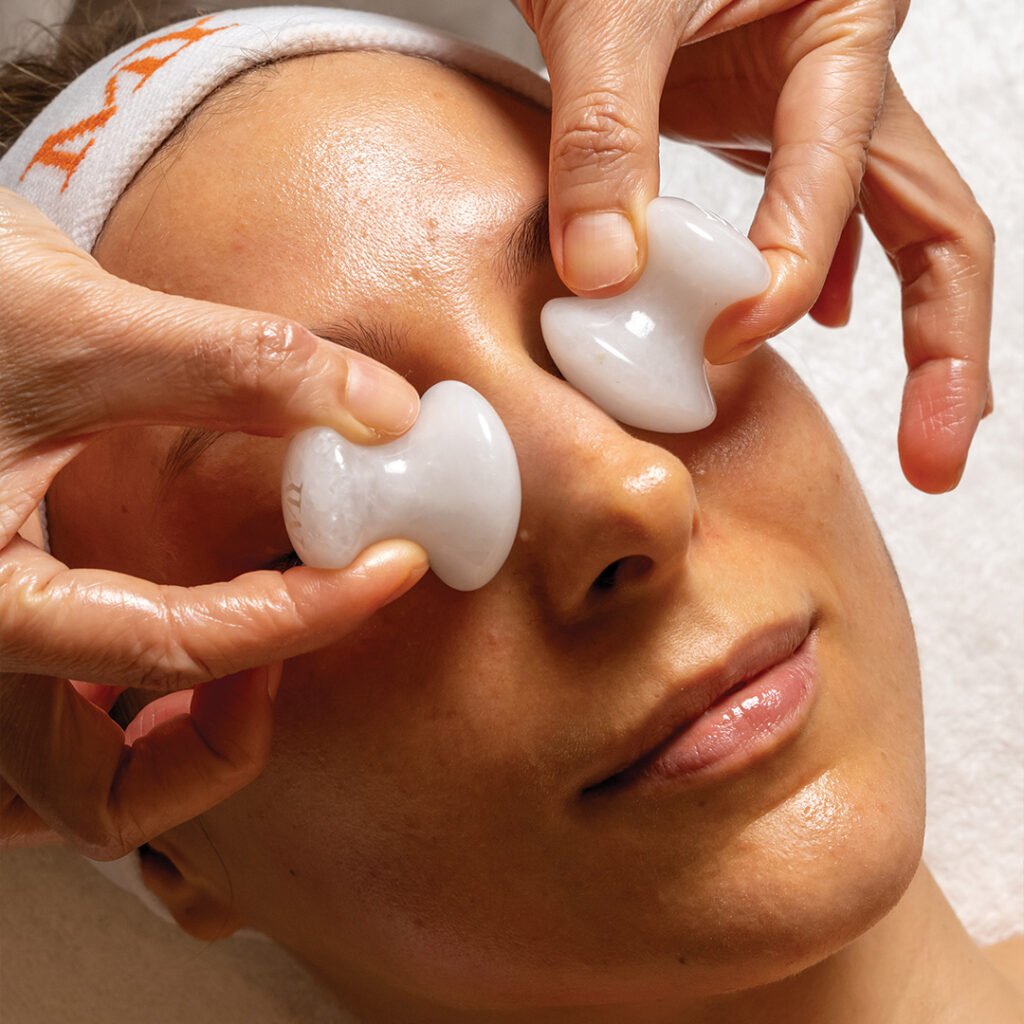
Gua Sha (de-puff + soften tension)
- Usually gentler and slower, often focused on drainage pathways
- Suits you if you retain fluid easily or feel facial heaviness/puffiness
- Best for: puffiness, congestion, travel swelling, sensitive or reactive days (depending on technique and products)
Buccal (deeper sculpting + jaw tension crossover)
- Can feel intense in tight areas; pressure should be adjustable
- Suits you if you hold stress in the jaw/cheeks or want deeper release
- Best for: clenching patterns, deep cheek/jaw tension, sculpting support with tension relief
When to avoid / cautions
Choose a gentler option or postpone if you have:
- Active skin irritation, infection, open wounds, or acute inflammation
- Recent injectables, peels, or procedures (follow your provider’s guidance)
- Significant bruising tendency (especially relevant for tool work like Gua Sha)
- Recent dental work or acute jaw pain (especially relevant for Buccal)
If you’re unsure, contact Maison Ysaé and describe your concern – your therapist can recommend the safest option.
FAQ
Which one lasts longer?
Results depend on your baseline (tension, fluid retention, lifestyle). Many people see same-day improvement with all three, but longer-lasting changes typically come with consistency (e.g., a short series). Lift/firmness goals often benefit from repeated sessions, while de-puff results can be noticeable quickly but may fluctuate with sleep, stress, and diet.
Which is best before an event?
- Choose Kobido if you want a more lifted, energized look.
- Choose Gua Sha if puffiness is your main issue.
If you’ve never done Buccal before, avoid trying it for the first time right before a major event.
Is Buccal painful?
It can feel intense in tight areas, but it should not be sharp pain. Pressure should always be adjustable, and a skilled therapist will work within your comfort level.
If you’re looking for a Japanese facial massage in Bangkok, the best choice is the technique that matches your goal – lift, de-puff, or deep tension release. Book your session at Maison Ysaé, or start by exploring the exact modality you want: Kobido, Gua Sha, or Buccal. If you want help choosing, contact us and we’ll guide you to the right treatment.